Monday, December 10, 2007

Tapioca Project and Cooking Contest

This week in Rio has been filled with fantastic opportunities to get to know Teresa Corção and Margarida Nogueira and their Manioc Project. The day after arriving I had the great good fortune to attend the 3rd “tapioca cooking contest” (a light, magical cassava “pancake” cooked without oil) held as part of their work with children, especially those from the favelas:


Their project has been so enthusiastically received by the children and the schools that Teresa and Margarida now have a bigger dream: to expand “Projeto Mandioca” to other cities and states in Brazil, beginning with São Paulo. They plan to develop materials to train and equip teams of qualified volunteers to duplicate and replicate the projects on a wide scale. Already they’ve worked in 6 schools and reached at least a thousand children. These dream-makers deserve our support and encouragement. Read (in Portuguese) more about the foundation they have just established, the
Instituto Maniva, to make it possible.

How does this relate to Africa? Teresa and Margarida are acting locally, but they are definitely thinking globally. They want to see the love of and respect for manioc (e.g., cassava) spread everywhere, moving beyond Brazil to Africa. After all, Nigeria is the world’s largest producer of manioc (cassava), and it was Nigerian poet Flora Nwapa who wrote the ode to cassava, Cassava Song and Rice Song. Let’s join them and dream together.


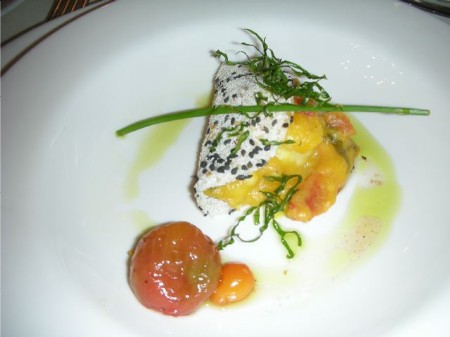
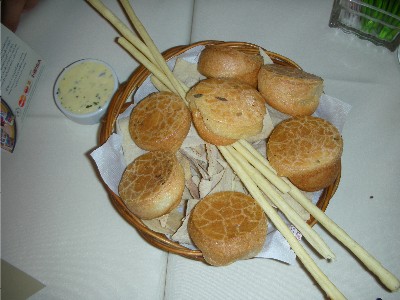
Another joy in Rio was to eat at O Navegador, Teresa’s world class restaurant (with its incredible organic salad bar ,".org") where I enjoyed a highly sophisticated version of a tapioca pancake with black sesame seeds and rock salt (and filled with bobo de camarão, a cassava puree with coconut milk, red palm oil, and shrimp, along with a little cilantro, onions, etc., and garnished with a sauce made of cherry tomato and pimenta biquinho). They also served the best pão de queijo I’ve tasted in Brazil. Now I have all these wonderful cassava recipes I hope to adapt and introduce to Ghana in January!

Labels: , , , , , , ,

Wednesday, November 07, 2007

Capoeira, cassava bread, and fried manioc in Brazil

Okay, I admit it. This post is about African culture in Brazil, not just African food culture, but the line is kind of blurry, isn't it? I can't think about African food without thinking about music and community, anyway. Last weekend friends were here from Chile, and my sister from Oregon, so a group of us went to Ouro Prêto, a UNESCO world heritage site. I especially wanted to show them the carvings of Alejiandnho ( nicknamed "Little Cripple," the son of a Portuguese architect and a black slave, and one of the most famous sculptors of Brazil), and the church built by Chico-Rei, an African king from Angola who was captured with his entire tribe and sent to work in a mine in Ouro Prêto, and who later earned his freedom, his son's, and the rest of his people's, then re-established his court, African clothing, and African customs in Ouro Prêto. He is a folk hero among Brazilian blacks. While we were lounging in Tiradentes Square in the town's center, some guys started playing and "dancing" capoeira, a form of African martial arts/dance that was developed by slaves to fight their masters, and disguised as a kind of dance. It's noted for its "fluid and circular" movements. I pulled out my camera, got their permission (but they didn't want money), and recorded a few minutes of the dance to share.

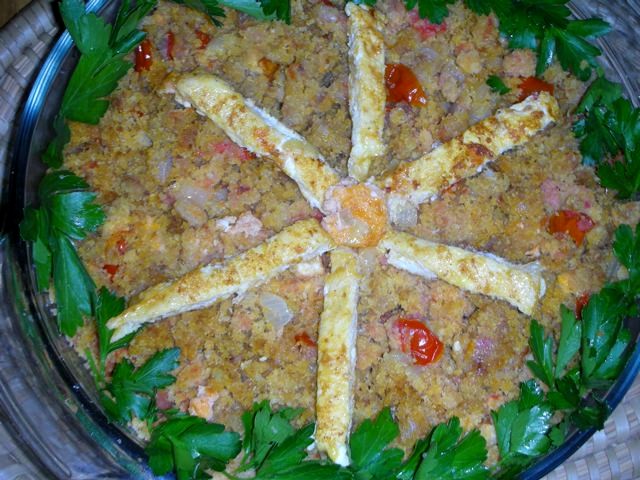
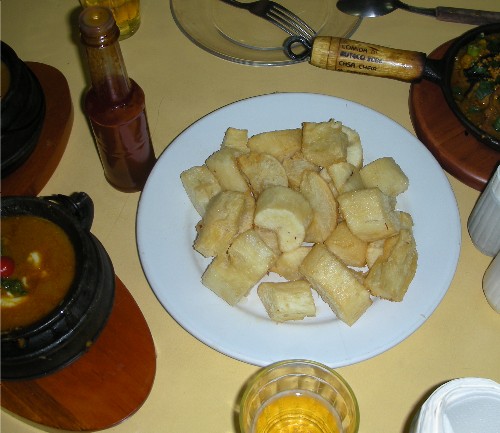
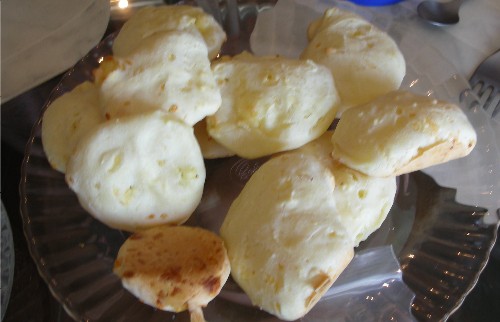
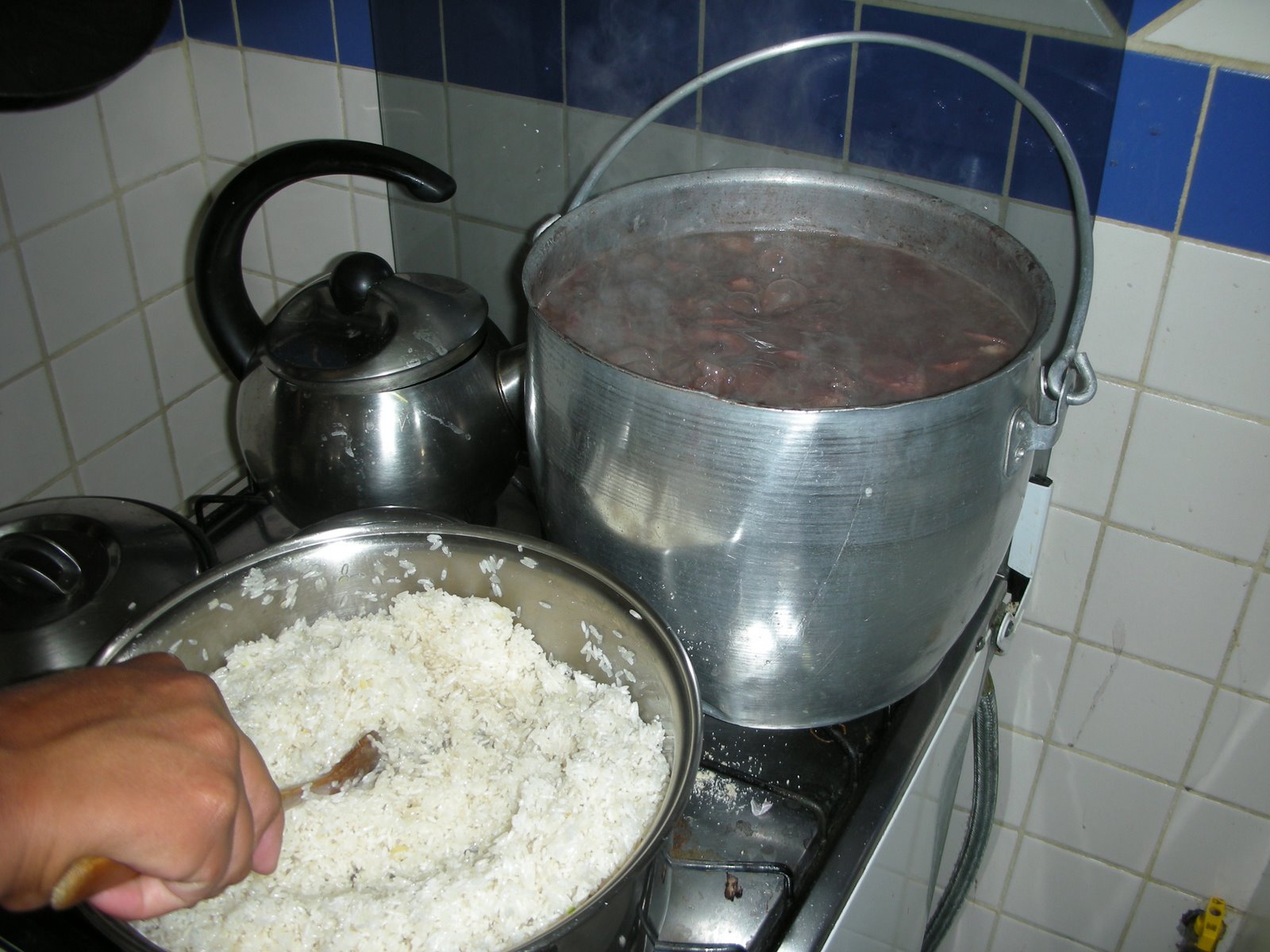
There's a lot of African influence in Minas Gerais. This Friday I'm heading to Central Market again to shop for a cooking class this weekend where I'm learning to make feijoada for friends who're coming on Sunday (remember I wrote about eating it in August when we first arrived). By the way, a couple of weeks ago I tried my hand at pão de queijo, a great specialty of the region, a kind of cheese popover made with tapioca flour, eggs, cheese, and butter. It's one of my husband's new-found favorites, along with the mandioca fritas I've also been learning to make, both illustrated below.

Labels: , , , , , ,

Wednesday, October 24, 2007

Fufu in Brazil?

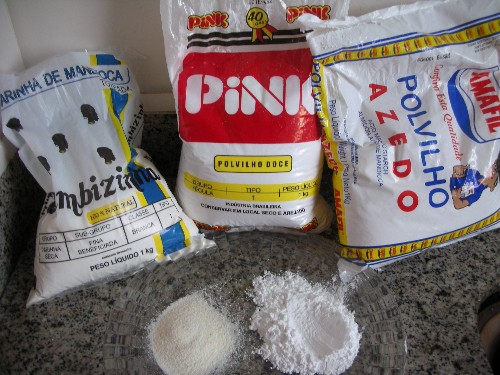
We've been in Brazil for 3 months. We're getting really tired of omo tuo (rice balls) in all our Ghanaian soups. I decided this week to attempt to make fufu with what is available when one does not have a mortar and pestle for pounding it from fresh cassava and plantains or cocoyams. At the market I picked up some polvilho (manioc, or cassava, starch). It seems to be the same thing as tapioca starch in the U.S. There're 2 kinds: doce (sweet) and azedo (acid). I also bought some farinha de mandioca, torrada or toasted, (a cassava meal that's like a really, really fine unfermented gari).

I spent a couple of hours last night trying to make Ghana-style fufu. You don't want the gory details. Suffice it to say that, with a great deal of trial and error, I produced a semblance of fufu that we managed to eat with our chicken light soup with okra. It was kind of a cross between that paste you use to stick wallpaper on the wall and fufu. Next time I need to drastically reduce the amount of starch, increase the amount of water, and figure out how to keep it from clumping up. Help! Have any West Africans lived in Brazil who can tell me what to do? We still have 2 more months here.

On a more hopeful note, I'm going to use some of the polvilho, along with a special cheese from Minas Gerais, to practice making a delightful type of puffy Brazilian cheese ball known as pão de queijo (bread of cheese), but that's another story.

Labels: , , , ,

Sunday, September 02, 2007

Mandioca and Cassava: An Afro-Brazilian Link


Did you know that:
1. cassava (or manioc, or mandioca) is originally from Brazil?
2. cassava spread from Brazil to Asia and Africa?
3. today Nigeria is the world's largest producer of the roots?
4. Thailand is the biggest producer and exporter of its starch?

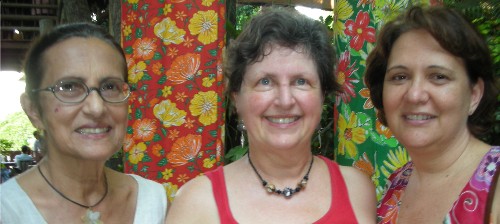
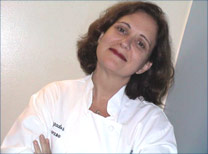
In 2005, I noticed an unusual and intriguing talk on the program for the International Association of Culinary Professionals' annual conference--it was on manioc, not exactly a household word in the IACP. Even though I could not attend the conference that year, I wrote to ask for a copy of the talk from one of the presenters, Margarida Nogueira. Later, I met with her briefly in Rio de Janeiro. Now back in Brazil, I was trying to track down another Brazilian whose name is associated with manioc: Teresa Corção, the founder of the Manioc Project (Projeto Mandioca). It turns out Teresa and Margarida were co-presenters at that 2005 IACP conference. In 2002, Teresa, a chef, restaranteur, culinary historian and educator, founded the manioc institute, and started the manioc project.

To quote Teresa: "The real importance of this product is mostly unknown, although it is very much used and appreciated in our daily meals. In the very first contacts that the discoverer of Brazil – Pedro Alvares Cabral – had with the Indians Tupiniquins, in the south of the state of Bahia, he was introduced to manioc, a native product of those then unexplored lands

To our native Amerindians, manioc was the most important ingredient in the preparation of different meals such as porridges, cakes, breads (pirão, beiju, mingau, paçoca). As the European wheat was not suitable to the climate of the newly discovered lands, the colonizer had to get used to manioc, a root so much appreciated nowadays throughout the world. No other product is as much Brazilian and has such an importance as manioc."

To quote from a blog posting on the Terra Madre site: "With this in mind, and working together with a team of experts Teresa decided to launch her project. Through workshops in public schools, children learn the importance of manioc during informal classes, theater and hands on cooking demonstration, learning how to prepare tapioca and other traditional Brazilian dishes. This way they strengthen their relationship with their Brazilian identity.

Projeto Mandioca has been supported by EMBRAPA - Empresa Brasileira de Pesquisa Agropecuária (Brazilian Agroindustry Research Company). This organization maintains Projeto Mandioca permanently updated in whatever concerns manioc in Brazil and worldwide, while improving its research studies on the subject."

Teresa, Margarida, and I are exploring the possiblility of collaborating on further research and writing on the whole subject. It's an exciting project to me, with possibilties for adaptation in Africa.


Labels: , , , ,

Wednesday, August 15, 2007

Feijoada and Caipirinha in Brazil


Oi! There's been a little break in postings given my hectic schedule preparing and traveling to Brazil. (Oi, which means "Hi!" in Portuguese also happens to be the name of my cell phone company here in Belo Horizonte.)

I've spent the week savoring the cuisine of Minas Gerais, where we're based. Last Sunday was Brazil's Father's Day, and we were invited to celebrate with the family of Renato and Virginia Ciminelli: parents, brothers, sisters, spouses, and cousins--babies to teenagers. What a joyful, boisterous family (though there was a little tension over 2 opposing soccer teams--people seem to take soccer VERY seriously here). In Belo we've lingered over tiny cups of strong Brazilian coffee or cerveja (beer)--my husband is partial to Skol--while having animated conversations at outdoor tables. They're just coming out of their winter here, but it's shirtsleeve weather and lovely.

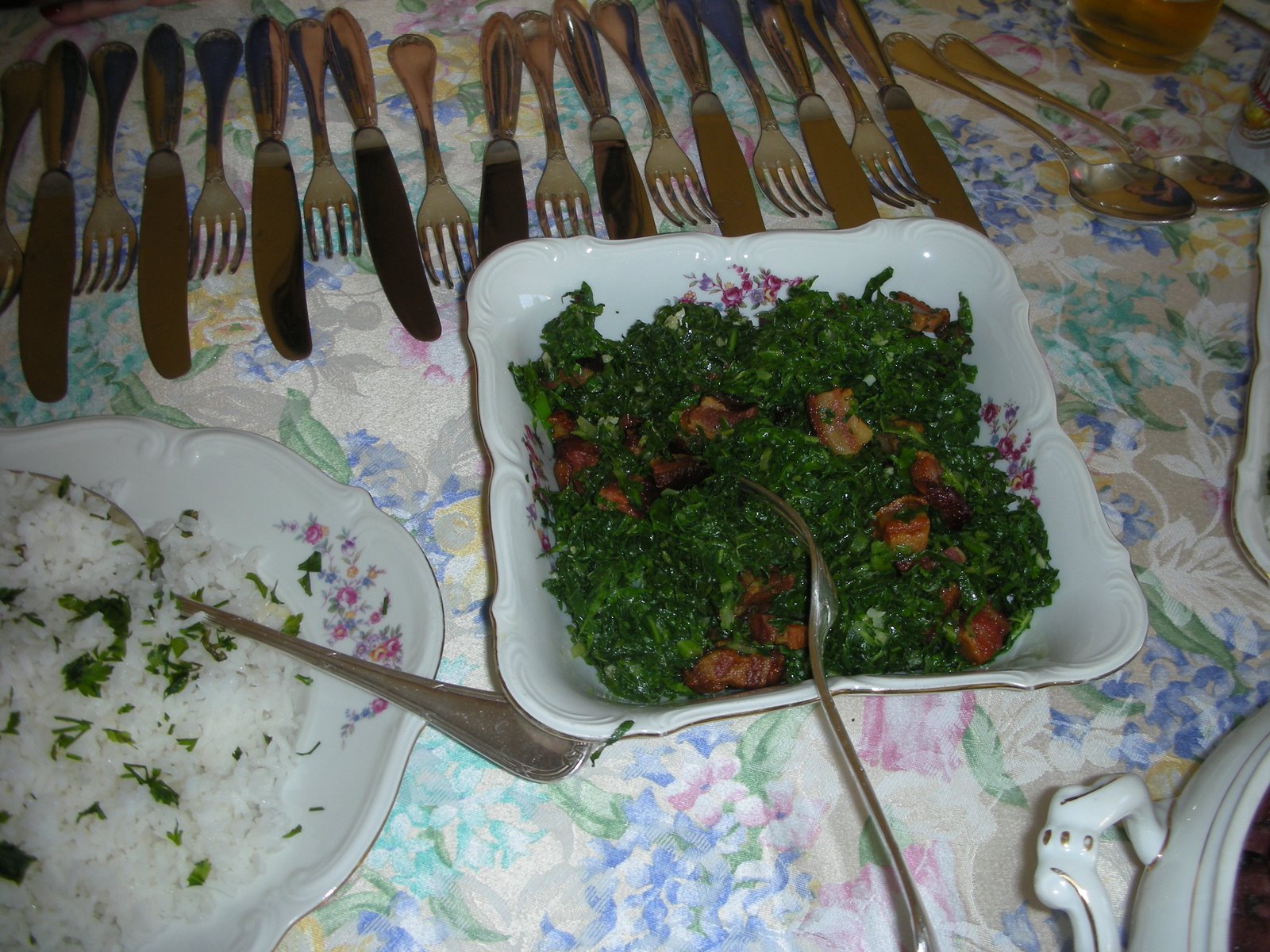
Yesterday at lunch I had an excellent caipirinha. A Brazilian specialty, it's a lime, ice, sugar and cachaça cocktail (cachaça is made from sugar cane, but differs from rum). We've been eating at "kilo" restaurants for lunch, where you fill up your plate buffet style and pay by weight. So far I'm partial to farofa and plantains and collard greens or kale, and a wonderful white fish that might be called badeja, along with feijoada and moqueca (muqueca), a kind of wonderful seafood stew from Bahia.

I gather there are lots of family recipes for feijoada, but ours was made from a certain kind of black bean (I'll get the nuances down in the next few months), cooked with pork (ribs, I think), some smoked and dried meat (pork?) and sausage, and I think garlic, but I get the flavoring ingredients for the collard greens, the farofa and the feijoada mixed up: I know there's onion and garlic in some, and oil (probably soy, corn, or canola), and the farofa is much drier and finer texture than West African dishes like gari foto, and had slivers of carrot in it.

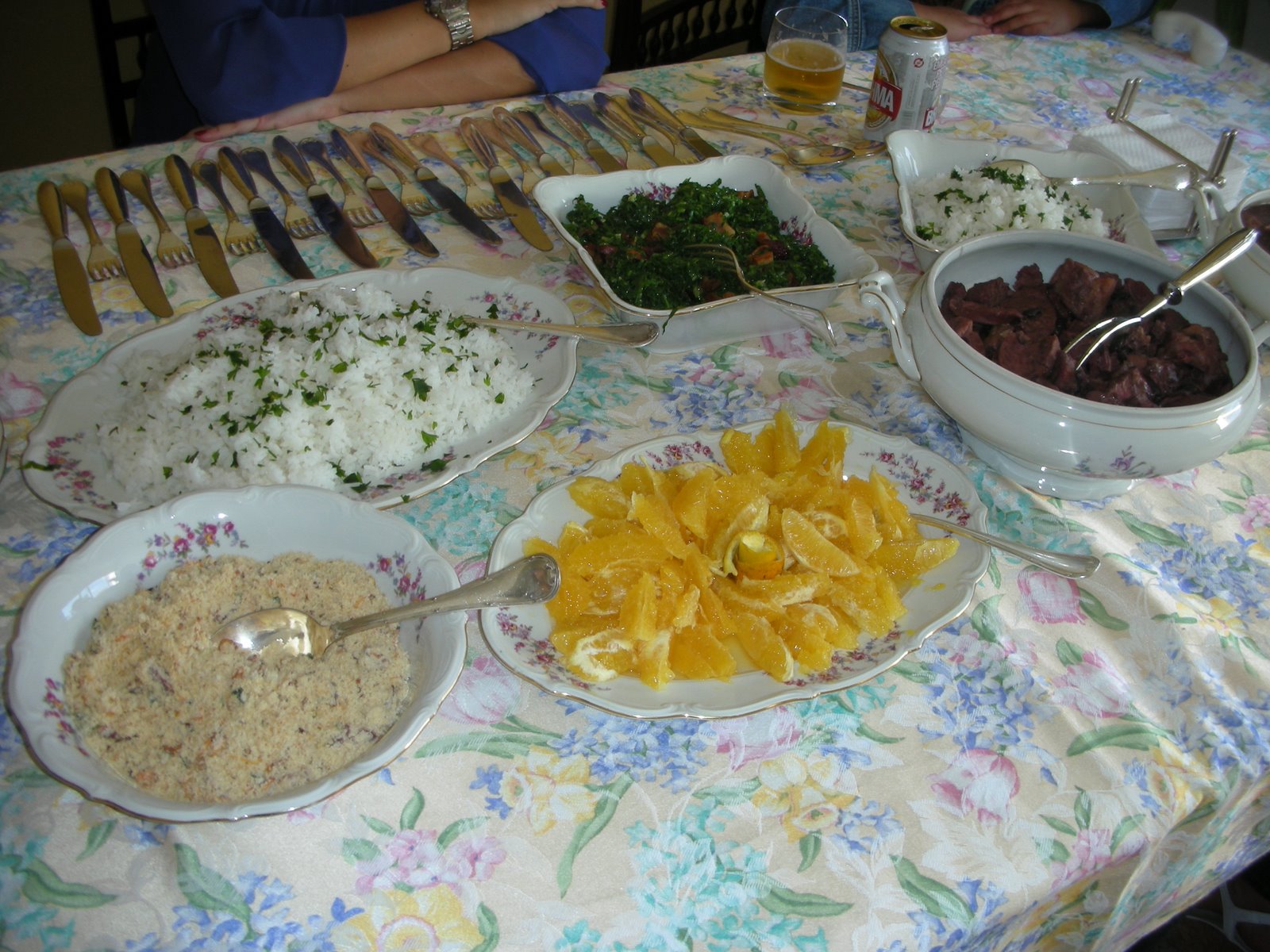
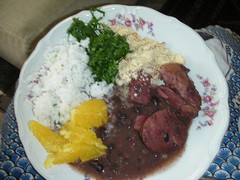
At some point I'll write more about the textures of gari (cassava or manioc meal), which ranges from coarse to fine, but I've not seen it as fine as Brazil's farinha de mandioca torrada used to make farofa. I understand Brazilians taught West Africans to make gari: it is said that in Angola the Portuguese forced the Africans on their plantations to cultivate cassava (manioc) and learn to make gari, and further north in Western Africa it was freed slaves returning from Brazil who taught Africans. At least that's what I heard. Feijoada is apparently eaten regularly on different days, depending on the region of Brazil, and is accompanied by white rice, the lightly fried collard greens, the farofa, and orange slices. I'll write more as I learn more! Feijoada definitely has an African feel about it.

Many Brazilians also have a fondness for spicy red pepper condiments, and a little of one of those would be a fine accompaniment, I think.

Labels: , , , , , , ,